
375A Concord Road, Concord West NSW 2138


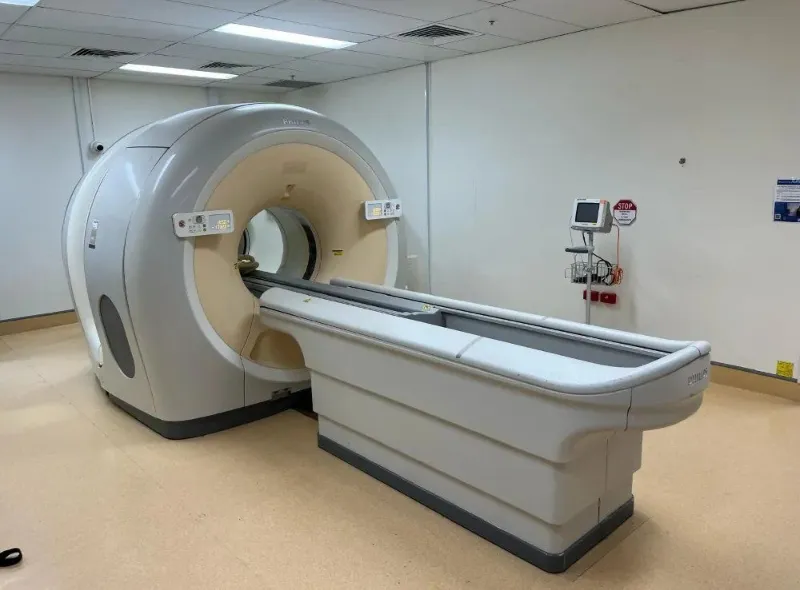
As a veterinary surgeon who has spent more than 50 years caring for companion animals, I have witnessed extraordinary advances in the diagnosis and treatment of disease. Among the most significant of these is the introduction of PET-CT scanning into veterinary medicine. This technology is transforming how we understand pet illness and, importantly, how we improve their outcomes.
For many pet owners, one of the most challenging aspects of veterinary care is uncertainty. When a pet is unwell, particularly with complex or serious conditions such as cancer, it can be difficult to determine exactly what is happening inside the body. Traditional imaging methods like X-rays, ultrasound, and even standard CT scans provide valuable structural information, but they don’t always reveal how tissues are functioning.
This is where a PET-CT scan makes a meaningful difference.
“PET-CT allows us to see more, know more, and act earlier, giving pets the best possible chance of recovery.”
Accurate diagnosis leads to targeted treatment.
Rather than adopting a “trial and error” approach, a PET-CT scan enables your vet to tailor treatment plans specifically to the individual animal. Whether considering surgery, radiation therapy, chemotherapy, or a combination of approaches, having a complete picture allows us, in collaboration with your veterinary professional, to choose the most appropriate and effective pathway. This precision reduces unnecessary procedures and helps avoid treatments that may not provide benefit.
Equally important is the ability to monitor how well a treatment is working. With a PET-CT scan, we can assess changes in metabolic activity even before structural changes become apparent. This means we can determine early on whether a therapy is effective and make adjustments to the treatment plan if required.
For pet owners, this provides reassurance that their companion animal is receiving the best possible care at every stage.
Improved surgical planning
In my own work in orthopaedics and oncology, understanding the exact boundaries of disease is essential before entering the operating theatre. A PET-CT scan gives that level of detail. It helps define margins more accurately, avoid critical structures, and ultimately perform safer, more effective surgeries. This translates to better recovery and a higher likelihood of successful outcomes.
Safety is, of course, a common concern for pet owners. A PET-CT scan is a non-invasive procedure, and although it involves a small amount of radioactive tracer, it is carefully controlled and safe for patients. The scan itself is performed under sedation or light anaesthesia to ensure your pet remains still and comfortable. Our priority is always to minimise stress while maximising diagnostic value.
Advancing veterinary medicine as a whole
The insights we gain from this technology enhance our understanding of disease processes in animals, leading to improved treatment protocols and better long-term outcomes for future patients. It is a continuation of the work I began decades ago in nuclear medicine, bringing innovative, evidence-based care into everyday clinical practice.
For pet owners, the most important takeaway is this: PET-CT allows us to see more, know more, and do more earlier and with greater accuracy.
When we can diagnose disease sooner, tailor treatments, and monitor progress more effectively, we give our patients the best possible chance of recovery and quality of life. That is, and has always been, the goal of everything we do.
We are currently accepting referrals. Pet owners can contact their vet directly and request a referral to Pet Theranostics.
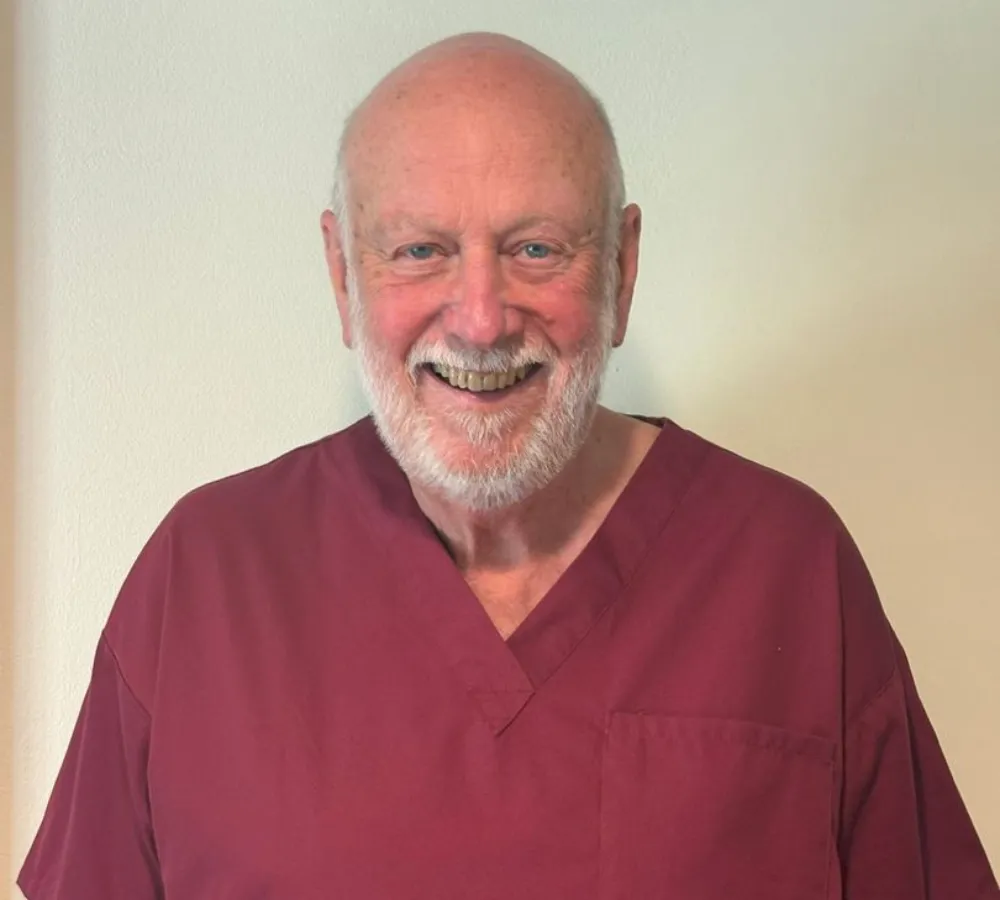
MEET THE AUTHOR
Dr Richard Maxwell
Richard Maxwell (Max) Zuber BVSc, FANZCVS, AM is a distinguished veterinary surgeon and specialist with over five decades of experience in small animal practice. A Member of the Order of Australia for his contributions to veterinary science, education, and professional leadership, Max pioneered the use of radioactive iodine in feline thyroid disease in the 1980s and established the Southern Hemisphere’s first nuclear medicine facility for companion animals in 1990. His expertise spans orthopaedic surgery, oncology, and nuclear medicine, with widely cited publications on thyroid cancer treatment in dogs. As an Associate Professor at the University of Sydney, he has taught and mentored veterinary students since 1979, while also contributing internationally through visiting appointments in the United States and Europe.

For Vets
Your Partner in Patient Outcomes
We exist to support veterinarians, enabling them to tailor treatment for optimal outcomes. With PET Theranostics, you gain a trusted partner in patient outcomes.
For Vets
For Pet Owners
Care, Compassion and Clarity
Our PET-CT scans give the clearest picture of your pet’s condition, helping your vet determine the best path forward.
For Pet OwnersFrequently Asked Questions
What is a PET-CT scan for pets?
A PET-CT scan combines two imaging methods to show both the structure and function of tissues. The CT reveals anatomy, while the PET highlights how cells are behaving metabolically. This provides a far more complete picture of your pet’s health.
How is a PET-CT scan different from X-rays or ultrasound?
Traditional imaging shows structure but not how tissues are functioning. PET-CT adds metabolic information, allowing vets to detect disease earlier and more accurately. This helps uncover issues that may not yet be visible on other scans.
Why is early diagnosis important for my pet?
Detecting disease early gives vets more options for effective treatment. It can improve outcomes, particularly for serious conditions like cancer. Earlier intervention often leads to better quality of life for your pet.
How does a PET-CT scan help guide treatment decisions?
It provides precise information about the location and extent of disease. This allows vets to tailor treatment plans rather than relying on trial and error. As a result, your pet receives more targeted and appropriate care.
Can a PET-CT scan show if treatment is working?
Yes, it can detect changes in metabolic activity before physical changes are visible. This means vets can assess effectiveness sooner. If needed, treatment plans can be adjusted early.
Is a PET-CT scan safe for pets?
The procedure is non-invasive and uses a carefully controlled amount of radioactive tracer. Pets are kept comfortable with sedation or light anaesthesia during the scan. Safety and minimising stress are always top priorities.
How does Pet Theranostics support pet owners through this process?
Pet Theranostics provides advanced imaging that delivers clearer answers sooner. This reduces uncertainty and helps owners make informed decisions about their pet’s care. It also ensures treatment plans are based on the most accurate information available.
How does Pet Theranostics improve outcomes for pets and their owners?
By enabling earlier diagnosis, precise treatment planning, and ongoing monitoring, Pet Theranostics helps optimise care at every stage. This leads to more effective treatments and fewer unnecessary procedures. For owners, it offers reassurance that their pet is receiving the best possible care.

Google Rating
5

“To me, Dr. Lurie is Godsent. He is always available to talk. Dr. Lurie gave us all the time on a call on Saturday morning. He didn’t rush us off the phone; he was patient with all our questions. He answered and gave us more information regarding the treatment than what we had even asked for. I don’t know what good I have done in this lifetime to meet such people. Lucky me! Lucky Sambuca! Sensational. Fantastic. Kind. Fabulous. Gentle. Understanding. Relatable”.
Sabeena & David
Google Rating
5
“From the outset, David explained Toby’s diagnosis and the treatment options not only in simple, understandable terms but, most of all, with incredible empathy. David’s honest and patient approach made our decision to undertake radiotherapy treatment so comfortable. David kept us updated on his progress and continued to reassure us. Over two years on, our little fella is still going strong and is heading towards his 18th birthday – every day is a blessing”
Brian & Sharon PorterContact Us
Vets
To refer a patient or book a consultation, please call us directly on
02 7238 4190 or use the referral form.
Pet Owners
We are a referral-only clinic. Please speak with your Vet about PET Theranostics.
If you have a general enquiry or seek additional clarification about PET-CT/CT scan email us or call our office during normal opening hours.


375A Concord Road, Concord West NSW 2138

Monday-Friday: 8 am-6 pm
Saturday/Sunday – Closed

© 2026 PET Theranostics. All rights reserved. Website by Specialist Vet Marketing